To hire a paralegal remotely, a solo attorney needs to define the legal support work first, then choose the right experience level, set supervision rules, protect client information, test the person with structured tasks, and build an onboarding system before handing over live casework.
That is the part many solo attorneys get wrong.
They wait until the work is already overwhelming. Files are messy. Discovery is behind. Client documents are scattered. Drafts are rushed. The attorney is handling legal work, admin work, and paralegal-level support at the same time.
Then they decide to hire a paralegal quickly. The truth is, when you take your time to properly hire a paralegal, your entire workflow stays on track.
I get why it happens. Solo attorneys are busy. But hiring from panic usually creates a new problem: the attorney ends up managing the paralegal more than the paralegal supports the attorney.
The better move is to hire a paralegal around a clear workflow, not a vague feeling of being overloaded.
What should you define before you hire a paralegal?
Before you hire a paralegal, define the work that is actually falling behind.
Do not start with the title.
Start with the task list.
Ask yourself:
- Are case files disorganized?
- Are drafts taking too long?
- Are client documents missing?
- Is discovery hard to track?
- Are deadlines scattered?
- Are hearing packets rushed?
- Are records not summarized?
- Are attorney review packets incomplete?
The U.S. Bureau of Labor Statistics says paralegals and legal assistants support lawyers by maintaining and organizing files, conducting legal research, and drafting documents.
That means a paralegal should support legal workflow, not just general office work.
If your biggest issues are phones, intake, scheduling, and billing reminders, you may need a virtual legal assistant first. If the problem is drafts, research, discovery, exhibits, matter summaries, and case organization, then it may be time to hire a paralegal.
What kind of paralegal do you need?
Not every paralegal fits every solo practice.
A family law attorney may need help with discovery, financial disclosures, hearing prep, and client documents. An immigration attorney may need form support, document collection, case tracking, and deadline management. A personal injury attorney may need medical record summaries, demand package support, lien tracking, and case chronologies.
Before you hire a paralegal, choose the practice-area fit.
| Practice area | Useful paralegal support |
| Family law | Discovery, financial docs, hearing packets |
| Immigration | Forms support, document collection, case tracking |
| Personal injury | Medical records, demand packets, chronologies |
| Litigation | Discovery tracking, exhibits, filing preparation |
| Estate planning | Draft packets, client intake, checklist management |
| Business law | Contract support, entity records, due diligence |
This is where solo attorneys should be picky.
A good paralegal in the wrong practice area can still slow you down.
What skills should you look for?
When you hire a paralegal, experience matters, but skill match matters more.
Look for:
- practice-area familiarity
- strong writing
- document accuracy
- deadline discipline
- legal research ability
- case management software comfort
- attention to detail
- confidentiality awareness
- ability to summarize records
- clear communication
- willingness to ask questions
The ABA definition describes a paralegal as someone qualified by education, training, or work experience who performs delegated substantive legal work for which a lawyer is responsible.
That is the hiring standard I would keep in mind.
Do not hire a paralegal only because they are available.
Hire for the kind of work you need them to own.
What should stay with the attorney?
A remote paralegal can help with legal support, but the attorney keeps legal judgment.
The attorney should keep control over:
- legal advice
- legal strategy
- final document approval
- client representation decisions
- settlement decisions
- court appearances
- fee agreements
- final filing approval
- ethics and compliance decisions
- sensitive client communication
ABA Model Rule 5.3 covers responsibilities regarding nonlawyer assistance, which is a useful reminder that lawyers must supervise nonlawyer support in a way that aligns with professional obligations.
This does not mean you should be afraid to delegate.
It means you should delegate with boundaries.
A paralegal prepares, organizes, researches, drafts, and tracks.
The attorney reviews, decides, advises, and approves.
How should you write the role?
A vague job post attracts vague candidates.
Instead of writing, “Looking to hire a paralegal for remote legal support,” write the role around outputs.
A stronger role description may say:
“We need remote paralegal support for a solo family law practice. The role includes discovery tracking, client document follow-up, draft preparation from templates, hearing packet organization, case file updates, and weekly attorney review summaries. No legal advice or independent client strategy. Experience with family law workflows preferred.”
That is much clearer.
When you hire a paralegal, the candidate should understand the practice area, work type, tools, review process, and boundaries before the first interview.
What interview questions should you ask?
The interview should test how the person thinks, not just what they claim.

Ask:
- What practice areas have you supported?
- What case management tools have you used?
- How do you organize a messy case file?
- How do you handle unclear instructions?
- What would you escalate to the attorney immediately?
- How do you track deadlines?
- How do you protect confidential client information?
- What kinds of drafts have you prepared?
- How do you summarize records for attorney review?
- What work should a paralegal never do independently?
O*NET says paralegals assist lawyers by investigating facts, preparing legal documents, or researching legal precedent.
So the interview should reflect that.
If you hire a paralegal for substantive support, ask questions that reveal organization, judgment, and process discipline.
Should you use a test task?
Yes, but keep it ethical, limited, and relevant.
A test task should not involve live confidential client information unless proper protections are in place. Use a sample or redacted file instead.
Good test tasks include:
- organize a sample matter folder
- summarize a short record set
- create a document checklist
- prepare a draft from a template
- build a simple case chronology
- identify missing items in a mock file
- write an attorney review summary
The goal is not to get free work.
The goal is to see how the candidate follows instructions, formats information, asks questions, and handles details.
In my opinion, a test task is especially important when hiring remotely because you need proof of work style before giving access to real matters.
What tools do you need?
Before you hire a paralegal remotely, make sure the tools are ready.
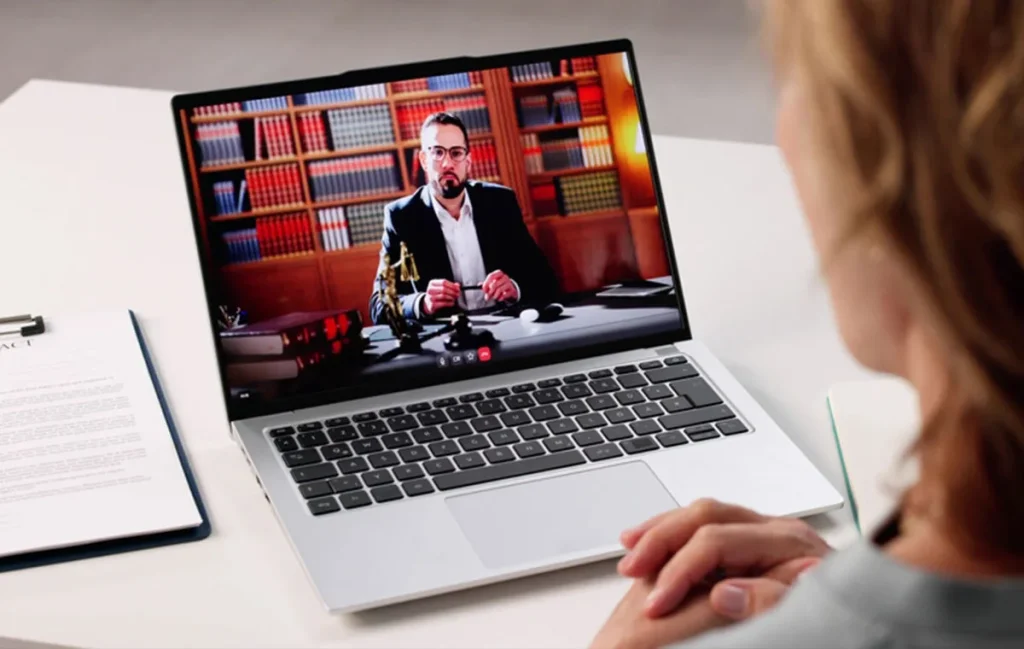
Common tools may include:
- Clio
- MyCase
- PracticePanther
- Filevine
- Microsoft 365
- Google Workspace
- Dropbox
- Adobe Acrobat
- DocuSign
- LawPay
- Court e-filing portals
- Legal research tools
- Task management tools
But tools are not enough.
You also need rules.
Who assigns tasks? Where are documents stored? What is the naming format? Where are deadlines tracked? What can be downloaded? What needs attorney approval? What should be escalated?
A remote paralegal cannot fix a messy system alone.
How should onboarding work?
The first 30 days should be structured.
A solo attorney should not hire a paralegal and immediately dump every overdue task into their lap.
Start with:
- practice-area overview
- tool access
- confidentiality rules
- file naming rules
- template walkthrough
- sample completed work
- matter workflow explanation
- deadline tracking process
- attorney review expectations
- client communication boundaries
- weekly feedback calls
The first month should help the paralegal understand how you practice law.
Every attorney has preferences. Every firm has habits. A remote paralegal needs to learn those before they can become truly useful.
What should you delegate first?
Start with structured, reviewable tasks.
Good first tasks include:
| First task | Why it works |
| File cleanup | Easy to review for accuracy |
| Missing document list | Helps client follow up |
| Case chronology | Shows organization and detail |
| Draft from template | Tests formatting and judgment |
| Discovery tracker | Clarifies deadlines and responses |
| Hearing packet checklist | Supports attorney preparation |
Do not start with the most sensitive or urgent work.
When you hire a paralegal, give them tasks that let you see quality before expanding responsibility.
How much does it cost?
Cost depends on experience, practice area, location, workload, and hiring model.
BLS reports that the median annual wage for paralegals and legal assistants was $61,010 in May 2024. BLS also reports about 39,300 projected openings for paralegals and legal assistants each year on average over the decade.
For solo attorneys, that salary benchmark matters.
You may need paralegal-level skill before you need a full-time in-house employee. Remote hiring can let you match support to actual workload instead of hiring more capacity than the firm needs.
The goal is not to hire the cheapest person.
The goal is to hire a paralegal who can reduce attorney workload without creating risk.
What mistakes should solo attorneys avoid?
Avoid these mistakes:
- hiring without a task list
- choosing only by hourly rate
- expecting one person to do admin, intake, billing, and paralegal work
- giving broad file access too soon
- skipping confidentiality rules
- allowing legal advice or strategy decisions
- providing no templates
- delaying feedback
- giving vague assignments
- hiring outside the practice area without a training plan
The most common mistake is expecting the paralegal to create the firm’s workflow from scratch.
That is unfair.
The attorney does not need a perfect system, but they do need enough structure for the hire to succeed.
Where Anywhere Talent fits
Anywhere Talent helps solo attorneys and small firms hire vetted global professionals for legal support, admin, operations, finance, customer support, sales, marketing, and executive support.
When you need to hire a paralegal, we help define the role first.
Does the firm need litigation support? Immigration document coordination? Family law discovery help? Estate planning packet preparation? Case chronology work? Filing coordination? Client document collection?
Each need requires a different profile.
Anywhere Talent helps match the professional to the workflow, tools, practice area, and attorney supervision style so solo attorneys are not hiring blindly.
Final takeaway
To hire a paralegal remotely, do not start with a job post.
Start with the work.
Decide which legal support tasks are falling behind, which practice-area experience matters, what should stay with the attorney, how supervision will work, and what tools and boundaries need to be in place.
A strong remote paralegal can help organize case files, support research, prepare drafts, track discovery, build chronologies, manage document checklists, and prepare attorney review packets.
But the attorney still owns legal judgment, final approval, client strategy, and professional responsibility.
If you are a solo attorney ready to hire a paralegal without building a full in-office team, Anywhere Talent can help you find vetted remote legal support that fits your practice area and workflow.
Book a free consultation with Anywhere Talent to hire the right paralegal support before casework starts falling behind.
FAQs
Start by defining the exact legal support tasks you need, then choose the right practice-area experience, interview for workflow discipline, use a structured test task, and set clear supervision rules.
Yes. A solo attorney can hire a paralegal remotely when the work is digital, supervision is clear, confidentiality rules are documented, and attorney review points are built into the workflow.
Start with structured tasks like file organization, missing document lists, case chronologies, template-based drafts, discovery trackers, and attorney review packets.
A paralegal should not give legal advice, make legal strategy decisions, approve final filings, appear in court as an attorney, or replace attorney review.
Remote hiring can be more flexible than hiring full-time in-house, especially for solo attorneys who need paralegal-level support but not 40 hours per week.
Yes. Anywhere Talent helps solo attorneys and law firms find vetted global professionals for remote paralegal support, legal admin, document organization, case workflows, and recurring legal support tasks.